


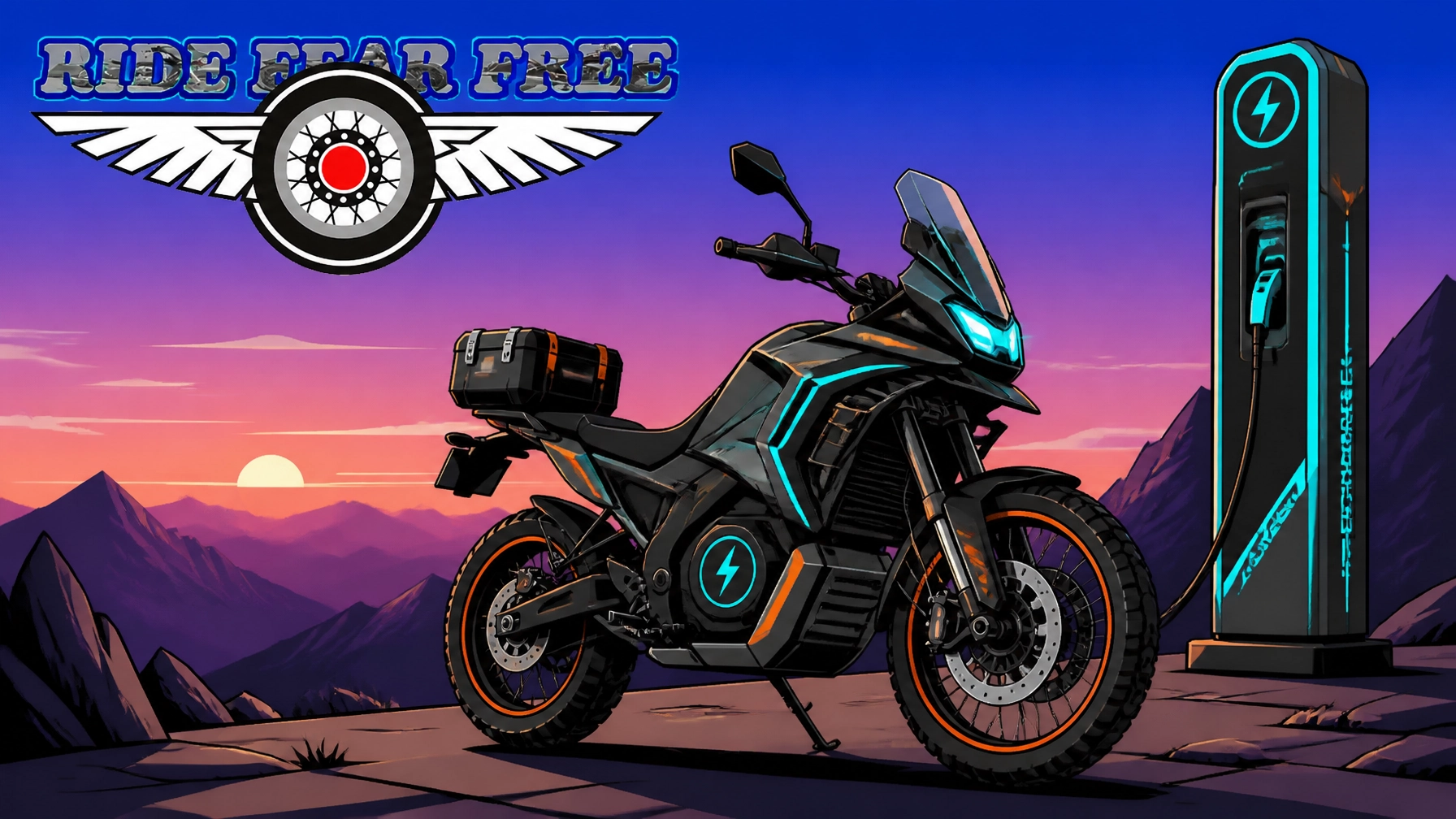
I still remember the first time I swung a leg over an electric bike. It was a crisp morning, and instead of the usual ritual of warming up the engine: the rhythmic thrum of a twin or the high-pitched idle of an inline-four: there was only a soft hum and the sound of my own breath. That day changed my perspective on what riding could be. But for many years, the idea of taking an electric machine into the wild, away from the safety of urban grids, felt like a pipe dream.
Fast forward to the present, and the latest electric motorcycle news suggests that the "adventure" part of adventure riding is undergoing a fundamental shift. We aren't just talking about city commuters anymore; we are seeing the birth of true long-distance, off-road capable machines that are forcing us to rethink how we plan our routes, pack our gear, and manage our time on the road.
The New Heavyweights: Where Performance Meets the Trail
When we look at the landscape of high-performance electrics, names like Zero and Energica have long held the torch. The Zero DSR/X, for instance, has become a benchmark in the adventure motorcycle news circuit. It’s a machine I’ve spent considerable time with, and its torque delivery is nothing short of addictive. Without a clutch or gearbox to manage, you can focus entirely on your line through a technical rock garden or a sandy wash.
However, the real news lies in how these manufacturers are addressing the "elephant in the room": range. The latest battery updates for 2025 have pushed mixed-use range closer to that 100-mile sweet spot. While that might sound modest compared to a gas-guzzling Africa Twin or a BMW GS, the way that power is managed makes a world of difference.
For the long-distance tourer, the Energica Experia remains a standout. With a massive 22.5 kWh battery pack, it offers the kind of highway autonomy that was once thought impossible for EVs. But it’s not just about the size of the tank; it’s about how quickly you can refill it.
The Can-Am Comeback and the Liquid-Cooled Revolution
Perhaps the most exciting development in recent months is the return of Can-Am to the two-wheeled world. Their new Origin dual-sport and Pulse roadster are bringing tech to the table that larger OEMs are still scrambling to match.
One of the nuances often overlooked by casual observers is thermal management. The Origin features a liquid-cooled battery and motor assembly: a feature that is vital for maintaining performance during a hot desert climb or when drawing high current for DC fast charging.

In my testing of various EV platforms, air-cooled systems often "throttle" performance once the thermometer climbs. Can-Am’s decision to go liquid-cooled from the jump signals a commitment to "race-ready" durability that adventure riders demand. This is the kind of motorcycle maintenance tips you won't hear often: with these new systems, your "maintenance" involves checking coolant levels and belt tension rather than oil filters and valve clearances. It’s a trade-off of complexity for reliability that I find increasingly appealing as I get older.
Redefining the "Stop": Charging Infrastructure and NACS
Planning an adventure used to be about finding the cheapest gas or the best scenic overlooks. Now, the strategy involves "charging hops." The recent announcement that manufacturers like Verge and potentially others are moving toward the North American Charging Standard (NACS): essentially the Tesla plug: is a massive win for the community.
If you’re in the market for a bike that can truly cross state lines, the ability to tap into the Supercharger network (even via adapters, as seen with some Zero Motorcycles setups) changes everything. We are moving away from the "range anxiety" era and into the "infrastructure awareness" era.

When I plan a trip today, I look for "Level 3" DC fast-charging stations. Bikes like the LiveWire One (a descendant of the smoothest-riding Harley-Davidsons) can hit an 80% charge in about 40 minutes. That’s just enough time for a decent lunch and a map check. It changes the pace of the adventure: making it less about the destination and more about a rhythmic, intentional journey.
Gear Up: The Best Motorcycle Gear for the Silent Ride
The transition to electric isn't just about the bike; it’s about the kit. When you lose the engine heat and the vibration of a traditional ICE (Internal Combustion Engine) bike, your perception of the environment changes. You notice the wind noise more. You notice the temperature drops in the valleys more acutely.
Finding the best motorcycle gear for electric touring often means looking for high-end aerodynamics and superior thermal regulation. Since you don't have a 200-degree engine between your legs to keep you warm in the winter, heated gear becomes a priority. Brands like Revit and Alpinestars are increasingly focusing on "active" gear that integrates with the bike's electrical system, which is much easier to manage when you have a massive lithium-ion battery at your disposal.

The Road Ahead: Honda and the Solid-State Promise
We can't talk about upcoming Honda motorcycles without mentioning their aggressive pivot toward electrification. Honda has pledged to launch 10 or more electric models by 2025. While their current focus has been on urban mobility, the "EV Fun" concept points toward a full-sized roadster that could bridge the gap for those of us raised on the performance of the CBR600RR.
The "holy grail" on the horizon is the solid-state battery. Honda is heavily invested in this tech, which promises double the energy density of current packs with significantly faster charging times. Imagine an adventure bike with the weight of a 450cc dual-sport but the range of a Transalp. That is the "through-line" we are all waiting for.
Even smaller players are making waves, such as the recent expansion of Rawrr through Kandi, which is bringing lightweight, off-road focused EVs to a broader market. These "entry-level" machines are perfect for riders who want to explore the trails without the noise complaints from the neighbors.
Why This Changes Your Planning Forever
The shift to electric means your "next adventure" will be quieter, more technical, and paradoxically, more connected. You will spend less time at greasy gas stations and more time at cafes or parks with charging pedestals. You will trade the "quantity" of miles for the "quality" of the experience.
As someone who has spent decades covering motorcycle reviews, I can tell you that the soul of riding isn't in the explosions happening in the cylinder head: it's in the connection between the tire and the dirt. The latest news in the electric sector isn't just about batteries; it's about removing the barriers between the rider and the environment.
So, the next time you see a headline about a new battery breakthrough or a charging network expansion, don't dismiss it as "tech talk." It’s the blueprint for your next great escape.


