

There are few things more evocative of the free American spirit and the nation’s wide-open spaces than the image of a Harley-Davidson motorcycle zooming down a stretch of empty highway. But while taking one of the legendary hogs for a spin may still be liberating for riders, the company’s independent dealership owners are feeling an increasingly tight financial and business squeeze.
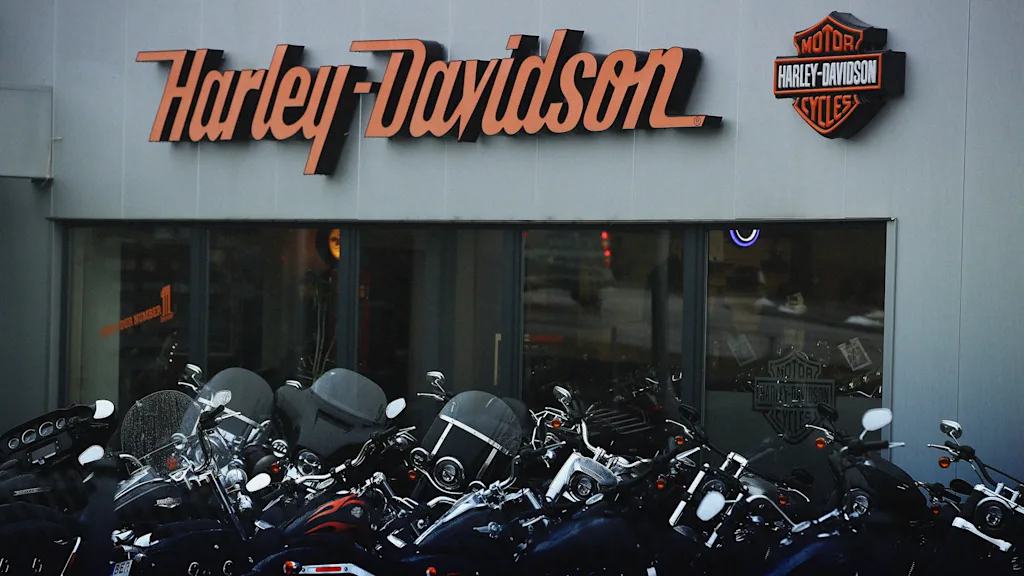
A rash of reports in recent weeks have sounded alarms about the troubles Harley dealers face, and the rising number of dealerships closing shop as a result. While Harley-Davidson still counts over 650 of those locations in operation across the U.S., specialist automotive media warn that those numbers have been significantly decreasing as sales of the beefy motorcycles decline, and dealer operating costs grow.
“I hate to admit this, but there are too many dealers for the number of new vehicles that are being sold today,” second-generation Harley dealership owner George Gatto told the motorcycle publication RevZilla. “Margins on the new bikes are the worst we’ve ever seen … They’re not making any money.”
As a result, owners of a growing number of Harley-Davidson dealerships have hung the “Closed” sign for good. Those include some well-known, high-profile stores in New York City and Florida, and the century-old Dudley Perkins location in San Francisco. But reports say many more closures in smaller cities and towns across the U.S. drew far less attention while adding to the tally of shuttered businesses.
Featured Video
An Inc.com Featured Presentation
That turn of events marks a swift reversal of Harley-Davidson’s fortunes, and now leaves many independent dealers and the mother company itself fighting for survival.
As was the case with many companies selling comparatively expensive goods, the effects of Covid created a sales boom for Harley-Davidson and its dealers. Government stimulus checks and rock-bottom interest rates allowed some consumers who’d never had the money to afford a hog to buy one after 2020. More conservative consumers who’d had the funds but waited also took the plunge.
Meanwhile, as happened in the auto sector, disrupted supply chains limited Harley inventories, allowing dealers to charge top dollar to customers they added to increasingly long waiting lists. Business had never been so good.
Flush with rising revenue, many dealership owners splurged on upgrades and expansions of their showrooms. Those who didn’t were eventually obliged to do so by Harley-Davidson corporate policies that require dealers to abide by centralized rules, and adopt decisions made by the mothership.
But once those dealership improvement investments were made — driving occupation, heat, and maintenance costs higher as a result — the sales boom petered out. Consumers facing spiking inflation, rising interest rates, tightening job markets, and other hardening realities of post-pandemic life could no longer give $24,000 to $40,000 Harleys another thought.
But at the same time, motorcycles churned out by manufacturers seeking to catch up with demand continued flowing into showrooms, further boosting dealer inventory costs. The same was true of Harley-Davidson-branded motorcycle equipment.
Even as that gear gushed into dealerships, Harley-Davidson corporate managers continued developing their booming e-commerce platform, which cut out intermediaries like dealers by selling directly to consumers.
“They overproduced, so what do they do?” Gatto said of the converging developments that cost dealers dearly. “They mark it down 40 percent, 50 percent, 60 percent online, with free shipping. Why would you go into a dealership when you’re getting half off online?”
According to the recent reports, Harley-Davidson’s corporate leadership — now led by new CEO Artie Starrs, who took over in October — responded to the downturn by shrinking the list of centralized rules dealers must follow. The company reduced other requirements, including minimum inventory volumes, to help ease financial pressure on dealership owners.
While that may ease some of the pain, the fear is that continually falling demand may prove the far more dangerous threat. The Covid-era boom aside, Harley-Davidson’s unit sales have dropped by 45 percent over the past decade. That was again reflected in the company’s third quarter 2025 results, which reported a global sales decline of 6 percent — 5 percent in the U.S.
Those latter figures led Morningstar analyst Jaime Katz to warn that it will take a lot of work, and a lasting return of robust sales, for Harley-Davidson and its independent dealers to start riding easy again.
“There is little evidence that a recovery for motorcycle demand is in the cards anytime soon,” Katz wrote in an investors’ memo following third-quarter results. “After multiple years of inventory reduction at dealers, the firm has yet to find equilibrium and has signaled further unit reductions to protect dealer profitability.”
Harley-Davidson Dealership Owners Are Closing Up Shop as Sales Sag


RELATED ARTICLES

