

“For the last 15 years, the entire battery industry in automotive has been talking about solid-state batteries—that they’re the future,” says Marko Lehtimäki, CEO of Donut Lab, the startup that makes the new battery. “But up until today, despite all the talk, there’s never been a single production vehicle that uses solid-state batteries. They’ve only been used at lab level.”
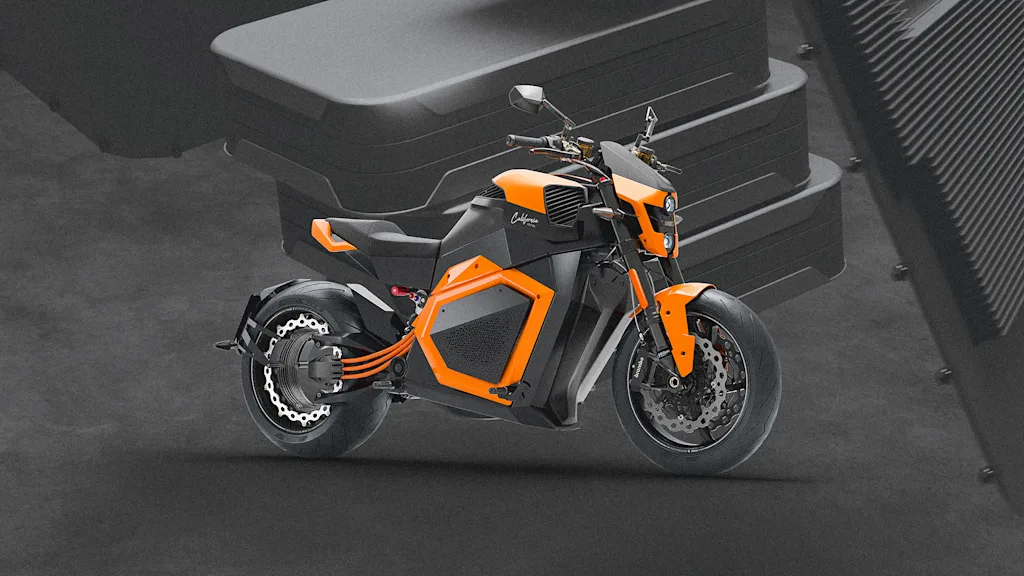
Verge Motorcycles, an electric motorcycle startup, is using the new battery in a bike that’s shipping to customers this quarter. Donut Lab, which originally launched as a spin-off of Verge, is also in talks with about 100 electric vehicle companies that want to shift to solid-state batteries.
Solid-state batteries have big advantages over the typical lithium-ion batteries that are in use now. The batteries, which use a solid electrolyte instead of liquid or gel, are safer, without the risk of catching fire.
They’re also more efficient and can charge much faster, making charging an EV more like filling up with gas. (Verge advertises that its motorcycle’s new battery can add 186 miles of range in 10 minutes, though it can technically charge in as little as 5 minutes with a high-power charger; the vehicle offers up to 370 total miles of range.) Solid-state batteries also don’t degrade as quickly. And in Donut Lab’s case, the battery is made from low-cost materials that are abundantly available around the world.
The new battery could help avoid the problem of EVs quickly losing resale value. “This battery lasts multiple lifetimes of a car or motorcycle,” Lehtimäki says. “So that’s another very important thing. You can rest assured that there’s zero degradation over time in the lifetime of a motorcycle. If there’s a new model and you want to sell the previous version, you know it’s as good as new from the battery perspective.”
The startup is still in the process of patenting the technology, and declined to share its specific chemistry or production methodology. (Automakers interested in using the batteries have seen more details under a nondisclosure agreement, Lehtimäki says.) But it argues that it was able to outpace other companies working on solid-state batteries because it’s more nimble.
The innovative new battery on this electric motorcycle charges in just 5 minutes


RELATED ARTICLES

